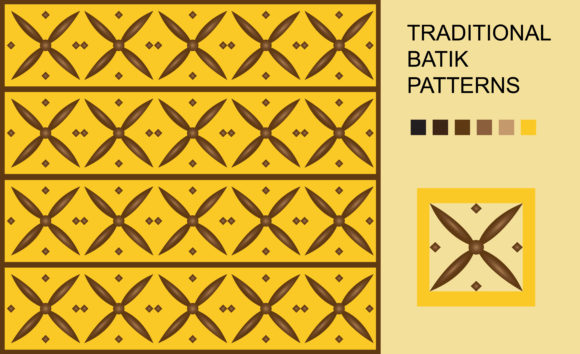
Traditional Batik Patterns for Creative Projects
Traditional batik patterns are more than just decorative elements—they are cultural symbols, historical artifacts, and versatile design tools. For creators, publishers, and entrepreneurs looking to infuse authenticity and visual appeal into their work, these intricate designs offer a unique blend of tradition and modern adaptability. Whether you're designing magazine covers, book layouts, or digital content, traditional batik patterns can elevate your projects with rich textures and meaningful motifs.
The Essence of Traditional Batik Patterns
Batik is a hand-dyeing technique that originated in Indonesia, known for its complex patterns and vibrant colors. Each pattern carries a story—some represent daily life, others symbolize spiritual beliefs, and many reflect social status or regional identity. These designs are often created using wax-resist methods, resulting in bold, layered visuals that stand out in any medium.
What makes traditional batik patterns particularly valuable is their ability to be adapted. While the original designs have deep cultural roots, they can be reimagined for contemporary use. This flexibility allows them to fit seamlessly into a wide range of creative applications without losing their essence.
Why Choose Traditional Batik Patterns?
- Cultural Depth: Each pattern tells a story, offering a layer of meaning that resonates with audiences.
- Visual Impact: The contrast between waxed and dyed areas creates striking visual effects that command attention.
- Customization: Colors can be adjusted to match brand identities, project themes, or personal preferences.
- Timeless Appeal: Traditional batik patterns have stood the test of time, making them relevant across generations.
- Scalability: These designs work well at various sizes, from small icons to large banners and covers.
Practical Applications Across Industries
Whether you're a publisher, educator, or marketer, traditional batik patterns can enhance your work in meaningful ways. Here are some real-world examples of how they can be applied:
For Publishers and Designers
Magazine covers and book titles benefit immensely from the elegance of traditional batik. These patterns add a touch of sophistication while maintaining an artistic flair. They are especially effective in niche markets such as lifestyle, culture, and education, where storytelling and visual appeal are key.
Consider using batik patterns as background textures for page headers, chapter dividers, or even as standalone illustrations. Their versatility allows them to complement both minimalist and ornate design styles.
For Educators and Cultural Institutions
In educational settings, traditional batik patterns serve as powerful teaching tools. They can be used to illustrate history, art, and cultural studies in a visually engaging way. Schools and museums can incorporate these patterns into lesson plans, exhibitions, and interactive learning materials to foster appreciation for Indonesian heritage.
For Marketers and Branding Professionals
Branding is all about creating a visual identity that resonates with your audience. Traditional batik patterns can help craft a unique and culturally rich brand image. From packaging to promotional materials, these designs offer a distinctive look that sets your products apart in a competitive market.
They also provide an opportunity to connect with audiences who value authenticity and craftsmanship. By integrating batik into your brand’s visual language, you can build a stronger emotional connection with your customers.
Choosing and Using Traditional Batik Patterns
When selecting traditional batik patterns, it's important to consider several factors to ensure they meet your project needs:
Quality and Resolution
The zip package includes high-quality EPS files and high-resolution JPGs (5000 x 3050 pixels at 72 DPI). These formats are ideal for both print and digital use. EPS files are vector-based, allowing for scalable use without loss of quality, while JPGs are perfect for web and screen-based projects.
Color Customization
While traditional batik patterns come in classic color schemes, they can be easily adapted to suit different tastes and branding requirements. You can change the color palette to align with your project’s theme, ensuring consistency and visual harmony.
Design Integration
When incorporating batik patterns into your work, pay attention to how they interact with other design elements. Use them as subtle accents or as dominant features depending on your overall aesthetic. Experiment with placement, scale, and contrast to achieve the desired effect.
Conclusion
Traditional batik patterns offer a wealth of opportunities for creators, educators, and businesses alike. Their rich cultural significance, visual impact, and adaptability make them a valuable asset in today’s creative landscape. Whether you're designing a book cover, developing a marketing campaign, or enhancing an educational resource, these patterns can add depth, style, and meaning to your work. With the right tools and approach, traditional batik can become a powerful element in your design toolkit.