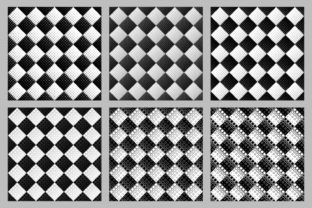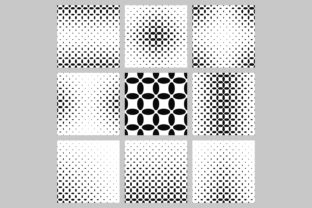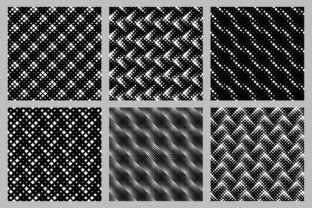
Seamless Monochrome Square Patterns: A Strategic Tool for Modern Design and Planning
In a world where visual clarity and strategic thinking are increasingly intertwined, Seamless Monochrome Square Patterns offer a unique blend of aesthetic appeal and functional utility. These patterns—comprised of repeating square elements in a single color scheme—are not just decorative; they serve as a powerful tool for structuring thought, organizing information, and enhancing decision-making processes across various domains.
The Strategic Value of Seamless Monochrome Square Patterns
At its core, Seamless Monochrome Square Patterns provide a clean, uncluttered framework that supports both creative and analytical thinking. The absence of color distractions allows the brain to focus on structure, repetition, and spatial relationships. This makes them particularly useful in environments where clarity and precision are paramount, such as branding, data visualization, and project management.
One of the key advantages of these patterns is their adaptability. Whether used as a background in digital design or as a conceptual model for planning, they can be tailored to fit specific goals. For instance, a marketing team might use a monochrome square pattern as a visual aid during brainstorming sessions, helping members align ideas without the interference of competing colors or textures.
How to Leverage Seamless Monochrome Square Patterns for Strategic Goals
When integrating Seamless Monochrome Square Patterns into your workflow, it’s important to consider how they align with your objectives. Here are some practical approaches:
- For Branding: Use the patterns as a foundation for logo design, website backgrounds, or print materials. Their simplicity reinforces brand identity and ensures consistency across platforms.
- For Data Visualization: Apply the patterns to charts, infographics, or dashboards to create a cohesive visual language that enhances readability and comprehension.
- For Creative Workflows: Incorporate the patterns into mood boards, storyboards, or concept sketches to maintain a focused and intentional creative direction.
- For Project Management: Utilize the structured layout of the patterns to map out timelines, task dependencies, or resource allocation in a clear and organized manner.
By using Seamless Monochrome Square Patterns intentionally, you can streamline your approach to complex tasks while maintaining a high level of visual coherence. This helps reduce cognitive load and improves overall efficiency.
Strategic Considerations When Using Seamless Monochrome Square Patterns
While Seamless Monochrome Square Patterns offer numerous benefits, their effectiveness depends on thoughtful application. Here are some considerations to keep in mind:
Context Matters: Not every project or situation will benefit from a monochrome square pattern. Assess whether the simplicity and uniformity of the design align with your goals. For example, a high-impact campaign may require more vibrant visuals to capture attention, whereas a minimalist brand identity could thrive with the clean lines of a monochrome pattern.
Intentionality is Key: Avoid using Seamless Monochrome Square Patterns randomly or without purpose. Instead, define how the pattern will support your process. Are you using it to guide creativity? To organize data? To reinforce brand consistency? Clarifying this intent ensures that the pattern serves a meaningful role rather than becoming a distraction.
Balance with Other Elements: While the patterns provide a strong foundation, they should complement—not replace—other design elements. Consider how color, texture, and typography can enhance or contrast with the monochrome base to create a more dynamic and engaging experience.
Practical Examples of Seamless Monochrome Square Patterns in Action
To illustrate the real-world impact of Seamless Monochrome Square Patterns, let’s explore a few examples:
Case Study 1: Brand Identity Development
A small business owner looking to launch a new line of eco-friendly products used Seamless Monochrome Square Patterns as the basis for their brand’s visual identity. The patterns were applied to packaging, social media assets, and website backgrounds, creating a cohesive and professional look that reinforced the brand’s commitment to sustainability.
Case Study 2: Content Strategy Planning
A content marketer employed a monochrome square pattern to map out their quarterly content calendar. By arranging posts in a grid format, they were able to visualize content flow, identify gaps, and optimize publishing schedules for maximum engagement.
Case Study 3: Educational Curriculum Design
An educator used Seamless Monochrome Square Patterns to structure a lesson plan for a design course. The repetitive squares helped students grasp concepts like symmetry, repetition, and spatial organization, making abstract ideas more tangible and accessible.
Risks of Misusing Seamless Monochrome Square Patterns
Despite their versatility, Seamless Monochrome Square Patterns can pose challenges if not used strategically. One common risk is over-reliance on the pattern without considering the broader context. For instance, using a monochrome background for a presentation might make text difficult to read or diminish the visual impact of key messages.
Another potential pitfall is the lack of differentiation. If the pattern becomes too dominant, it can overshadow other design elements, leading to a cluttered or confusing layout. It’s essential to strike a balance between the pattern’s presence and the surrounding content to ensure clarity and usability.
Additionally, using Seamless Monochrome Square Patterns without a clear goal can result in wasted effort. Without a defined purpose, the pattern may fail to contribute meaningfully to the project, leaving the user questioning its value.
Maximizing Long-Term Value with Seamless Monochrome Square Patterns
To ensure that Seamless Monochrome Square Patterns deliver long-term value, consider the following strategies:
- Define Clear Objectives: Before implementing the pattern, ask yourself what outcome you hope to achieve. Is it improved organization, enhanced creativity, or better communication? Aligning the pattern with your goals ensures it remains relevant and effective.
- Test and Refine: Experiment with different variations of the pattern to see which ones work best for your needs. Testing allows you to refine your approach and discover new ways to leverage the design.
- Document Your Process: Keep track of how you’ve used the pattern in past projects. This documentation can serve as a reference for future applications and help you avoid repeating mistakes.
- Stay Open to Adaptation: As your goals evolve, so should your use of the pattern. Be willing to adjust the design or integrate it with other tools to maintain its strategic relevance.
By treating Seamless Monochrome Square Patterns as a flexible and intentional resource, you can unlock their full potential and apply them effectively across a wide range of scenarios.