Seamless Fruits Flowers Patterns: A Practical Guide for Creative and Productive Workflows
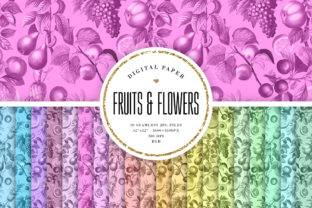
Seamless Fruits Flowers Patterns is a versatile design resource that offers a collection of high-quality, repeatable visual elements. These patterns are crafted to seamlessly tile without visible seams, making them ideal for both digital and print applications. Whether you're working on branding materials, website backgrounds, packaging designs, or creative projects, Seamless Fruits Flowers Patterns can add a touch of natural beauty and sophistication to your work.
Understanding the Value of Seamless Design
In today's fast-paced creative environment, the ability to use seamless patterns efficiently can make a significant difference in workflow and output quality. Seamless Fruits Flowers Patterns are not just decorative elements—they are functional assets that can be integrated into various stages of a project. Their adaptability allows them to serve as background textures, accent details, or even standalone visuals depending on the context.
The key benefit of these patterns lies in their seamless nature. Unlike traditional tiled images that may show visible gaps or misalignments, Seamless Fruits Flowers Patterns are designed to flow smoothly across any surface. This makes them particularly useful for large-format prints, where consistency and visual harmony are essential.
Where Does Seamless Fruits Flowers Patterns Fit In?
Seamless Fruits Flowers Patterns can be used at multiple points in a creative process. For instance, they can serve as a starting point during the ideation phase, helping designers explore color palettes and visual themes. They can also act as a foundational element during the design phase, providing a consistent backdrop for logos, illustrations, or product mockups.
During the production stage, these patterns can streamline the layout process by offering pre-designed, ready-to-use elements that reduce the need for custom design work. For marketing teams, Seamless Fruits Flowers Patterns can be used in campaign materials, social media graphics, or email templates to maintain brand consistency across platforms.
Even after a project is completed, these patterns can continue to provide value. For example, they can be repurposed for future campaigns, reused in different contexts, or shared with collaborators to ensure alignment in visual direction.
Integration with Other Tools and Resources
One of the strengths of Seamless Fruits Flowers Patterns is their compatibility with a wide range of design tools and platforms. Whether you're using Adobe Photoshop, Illustrator, Canva, or even web-based design software, these patterns can be easily imported and customized to suit your needs.
When working with vector-based tools like Illustrator, the scalability of Seamless Fruits Flowers Patterns ensures that they retain their quality regardless of size. This is especially important for print projects where resolution and clarity are critical. For raster-based tools, the 300 DPI resolution of these files ensures sharp output when printed at larger sizes.
Additionally, Seamless Fruits Flowers Patterns can be paired with other design assets such as typography, photography, and branding guidelines to create cohesive and professional-looking compositions. They can also be layered with other textures or effects to enhance depth and visual interest.
Practical Implementation Tips
To get the most out of Seamless Fruits Flowers Patterns, it's important to understand how to use them effectively in your workflow. Here are some practical tips:
- Plan Ahead: Before incorporating these patterns into your design, consider how they will fit with your overall visual identity and project goals. This helps ensure that the patterns enhance rather than distract from your message.
- Test in Different Contexts: Use the patterns in various scenarios to see how they perform. For example, test them on different background colors, text overlays, and layout structures to find the best combinations.
- Organize Your Files: Keep your pattern files well-organized in folders or libraries so that you can quickly access them when needed. This saves time and reduces the risk of errors during the design process.
- Customize When Necessary: While the patterns are ready to use, don't hesitate to modify them if needed. Adjusting colors, scaling, or adding effects can help tailor the patterns to your specific project requirements.
- Use Them Strategically: Avoid overusing patterns, especially in areas where they might compete with other design elements. Use them as accents or subtle background elements rather than dominant features.
Workflow Examples and Use Cases
Seamless Fruits Flowers Patterns can be applied in a variety of workflows, depending on your industry or project type. Here are a few examples:
Graphic Design: A designer working on a packaging project might use these patterns as background textures for product labels, ensuring a cohesive look across all packaging elements.
Web Development: A web developer could integrate these patterns as background images for a website, enhancing the user experience while maintaining a clean and professional aesthetic.
Marketing Campaigns: Marketing teams can use these patterns in social media posts, banners, or email templates to create visually appealing content that aligns with brand guidelines.
Education and Publishing: Educators and publishers can incorporate these patterns into educational materials, book covers, or infographics to make content more engaging and visually appealing.
Factors to Consider for Long-Term Use
When integrating Seamless Fruits Flowers Patterns into your workflow, it's important to consider factors such as preparation, compatibility, usability, and long-term maintenance. Here are some key considerations:
Preparation: Ensure that you have the right tools and file formats available before starting a project. Familiarize yourself with the technical specifications of the patterns, including pixel dimensions, color mode, and resolution.
Compatibility: Check that the patterns are compatible with your design software and intended output format. This helps avoid issues such as color shifts or loss of quality during export.
Usability: Choose patterns that are easy to use and adapt. High-quality, well-structured patterns will save you time and effort in the long run.
Consistency: Maintain consistency in how you use these patterns across different projects. This helps build a strong visual identity and ensures that your work remains cohesive and professional.
Quality Control: Always review your final output to ensure that the patterns are rendered correctly and that there are no visible seams or distortions. This is especially important for print projects where quality is paramount.
Long-Term Use: Consider how the patterns can be reused or repurposed in future projects. This not only maximizes their value but also supports sustainable design practices.
Conclusion
Seamless Fruits Flowers Patterns offer a powerful tool for designers, marketers, educators, and creators looking to enhance their visual storytelling and workflow efficiency. By understanding how to integrate these patterns into your projects, you can unlock new possibilities for creativity and productivity. With the right approach, these patterns can become an essential part of your design toolkit, helping you deliver high-quality, visually compelling results every time.