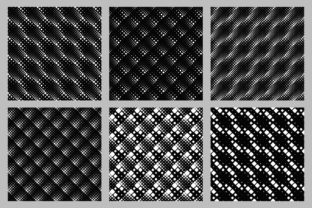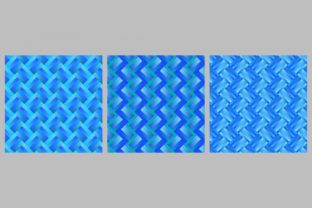
Exploring 3 Seamless Gradient Stripe Patterns and Geometrical Diagonal Stripe Backgrounds
In the world of design, visual elements play a crucial role in creating engaging and aesthetically pleasing compositions. One such versatile element is the seamless stripe pattern. Whether used in web design, graphic arts, or branding, these patterns offer a clean, modern look that can enhance both digital and print media. In this article, we’ll explore three types of seamless gradient stripe patterns and geometrical diagonal stripe backgrounds—abstract vector illustrations, high-resolution JPG files, and vector formats like EPS and AI. We'll discuss their purpose, significance, and practical applications to help you understand how they can elevate your creative projects.
What Are Seamless Stripe Patterns?
A seamless stripe pattern is a repeating design that creates an uninterrupted visual flow when tiled. Unlike traditional patterns that may have visible seams or breaks, seamless designs are crafted to blend seamlessly from one tile to the next, making them ideal for large-scale applications like backgrounds, textiles, and digital interfaces.
These patterns are often created using vector graphics software like Adobe Illustrator or Inkscape, allowing for scalability without loss of quality. They can be designed with various colors, gradients, and geometric shapes to suit different aesthetic needs. The key advantage of seamless patterns is their ability to maintain visual consistency across any surface or screen size.
Why Use Seamless Stripe Patterns?
- Visual Consistency: Seamless patterns ensure that your design looks cohesive no matter how it's scaled or repeated.
- Flexibility: These patterns can be adapted to fit a wide range of applications, from website backgrounds to product packaging.
- Professional Look: A well-designed stripe pattern can add a touch of sophistication and modernity to any project.
- Efficiency: Using pre-made or customizable patterns saves time compared to creating them from scratch.
1. Gradient Stripe Patterns
Gradient stripe patterns use smooth color transitions between stripes to create a dynamic and eye-catching effect. These patterns are especially popular in modern design due to their versatility and ability to convey movement or depth.
For example, a gradient stripe pattern might transition from a deep blue to a soft purple, giving the illusion of light reflecting off a surface. These patterns are commonly used in UI/UX design, branding, and interior design to create a sense of elegance and fluidity.
When working with gradient stripe patterns, designers often use tools like Adobe Photoshop or Illustrator to create custom gradients. However, many ready-made options are available as downloadable assets, including high-resolution JPG files (such as 8000x4000 pixels) that are perfect for large-scale use.
2. Geometrical Diagonal Stripe Patterns
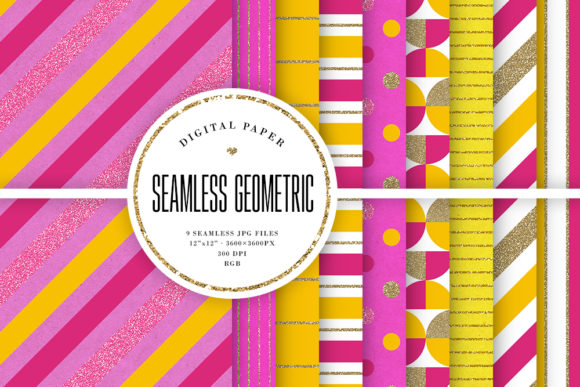
Geometrical diagonal stripe patterns feature precise, angular lines that intersect at angles to form a visually striking composition. These patterns are often associated with minimalism and modern architecture, offering a structured yet artistic feel.
One common application of diagonal stripe patterns is in fashion design, where they can add a unique texture to fabrics. In digital design, they are frequently used as background textures to provide contrast while maintaining a clean aesthetic. These patterns can be created using vector tools like Adobe Illustrator or Inkscape, ensuring scalability and precision.
It’s important to note that while diagonal patterns can be more complex than horizontal or vertical stripes, they offer greater visual interest and can make a design stand out. When designing with these patterns, consider the angle and spacing of the stripes to achieve the desired effect.
3. Abstract Vector Illustrations
Abstract vector illustrations take the concept of stripe patterns to another level by incorporating artistic elements such as curves, shapes, and color blocks. These designs are not limited to straight lines but instead allow for creative freedom in how stripes are arranged and combined.
Abstract stripe patterns are often used in branding and advertising to create a unique visual identity. For instance, a company might use an abstract stripe pattern in its logo or promotional materials to convey innovation and creativity. These patterns are typically created using vector file formats like EPS or AI, which allow for easy editing and customization.
One advantage of abstract vector illustrations is their adaptability. Since they are based on vectors rather than pixels, they can be resized without losing quality. This makes them ideal for use across multiple platforms, from websites to printed materials.
Choosing the Right Format: JPG, EPS, and AI
When selecting a format for your seamless stripe patterns, it's essential to consider the intended use. Here’s a breakdown of the most common formats:
JPG (Joint Photographic Experts Group)
JPG files are ideal for high-resolution images, such as the 8000x4000 pixel backgrounds mentioned earlier. They are widely supported and suitable for web use, print, and digital media. However, they are not scalable without loss of quality, so they are best suited for fixed-size applications.
EPS (Encapsulated PostScript)
EPS files are vector-based and offer excellent scalability. They are commonly used in professional design workflows, especially for print and branding. EPS files are ideal for creating intricate patterns that need to be edited or modified later.
AI (Adobe Illustrator)
AI files are native to Adobe Illustrator and provide full editing capabilities. They are preferred by designers who need to make frequent adjustments to their patterns. AI files also support layers and transparency, making them versatile for complex designs.
Practical Applications of Stripe Patterns
Stripe patterns are not just decorative—they serve functional purposes in various industries. Here are some real-world examples:
- Web Design: Stripe patterns can be used as background textures on websites to add visual interest without overwhelming the content.
- Branding: Companies often incorporate stripe patterns into their logos, packaging, and marketing materials to create a consistent brand identity.
- Fashion: Stripe patterns are a staple in fashion design, appearing in clothing, accessories, and even footwear.
- Interior Design: Stripe patterns can be found in wall coverings, curtains, and furniture to add a modern touch to interiors.
Common Misconceptions About Stripe Patterns
While stripe patterns are widely used, there are some common misconceptions that designers should be aware of:
- They’re Only for Decorative Purposes: While stripes are often used decoratively, they can also serve functional roles, such as guiding the eye or improving readability.
- They’re Limited in Design: With the right tools and techniques, stripe patterns can be highly customizable and adaptable to various styles and themes.
- They’re Hard to Create: Many pre-made patterns are available online, and vector tools make it easier than ever to design your own.
Conclusion
Seamless gradient stripe patterns and geometrical diagonal stripe backgrounds are powerful tools in the designer’s toolkit. Whether you're working on a website, branding project, or creative illustration, understanding how to use these patterns effectively can elevate your work and create a more engaging visual experience.
By exploring the different types of stripe patterns and choosing the right format for your needs, you can unlock new creative possibilities and bring your ideas to life. As technology and design continue to evolve, the versatility of these patterns ensures their continued relevance in both digital and physical spaces.