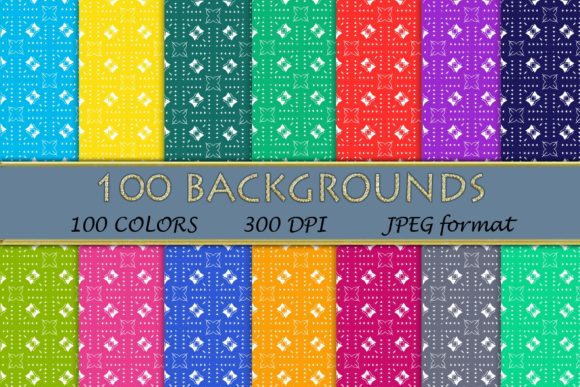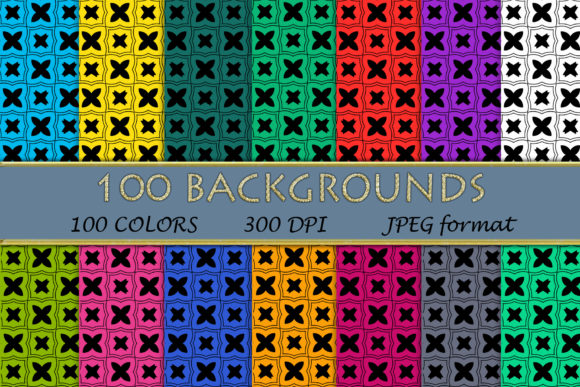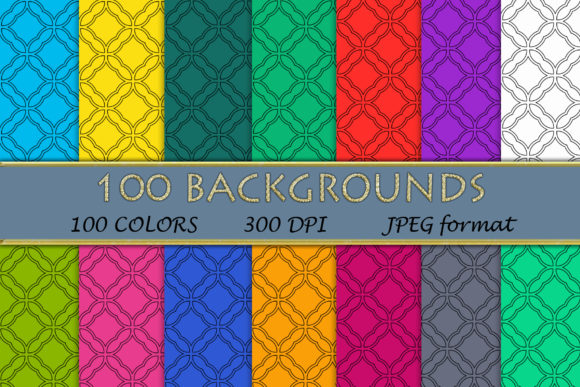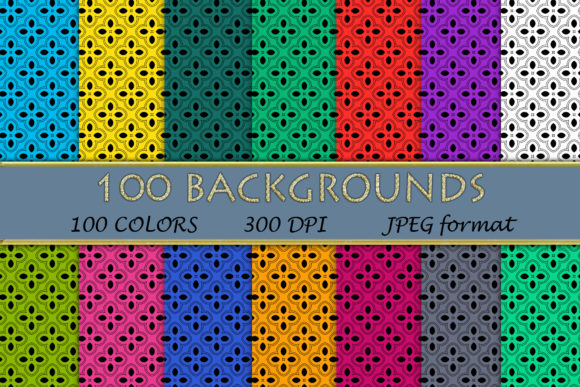
Abstract Geometric Patterns with Lines
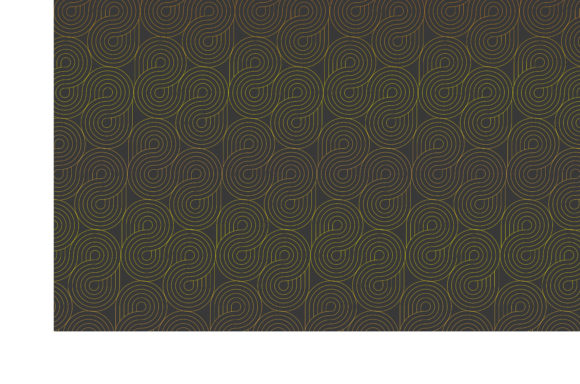
Abstract geometric patterns with lines represent a unique blend of mathematical precision and artistic expression. These designs are characterized by their use of clean, structured lines that form intricate shapes and forms without representing real-world objects. Unlike traditional geometric patterns that often rely on symmetry and repetition, abstract geometric patterns with lines emphasize visual balance and dynamic movement. This style is particularly popular in modern design, from graphic arts to interior decor, due to its versatility and adaptability.
The Essence of Abstract Geometric Patterns with Lines
At the core of abstract geometric patterns with lines is the interplay between simplicity and complexity. These patterns often feature intersecting lines, angular shapes, and minimalistic forms that create a sense of depth and rhythm. The absence of literal representation allows for a high degree of creativity, enabling designers to convey emotions and ideas through pure visual language.
One of the defining features of these patterns is their ability to be scaled and adapted across various mediums. Whether applied to digital interfaces, textiles, or architectural elements, abstract geometric patterns with lines maintain their visual integrity and aesthetic appeal. Their modular nature also makes them ideal for customization, allowing for endless variations and combinations.
Comparing Abstract Geometric Patterns with Lines to Other Styles
When evaluating abstract geometric patterns with lines, it's useful to compare them with other common design styles such as organic patterns, floral motifs, and minimalist designs. While organic patterns rely on natural curves and flowing shapes, abstract geometric patterns with lines offer a more structured and precise approach. This distinction makes them particularly suitable for environments where clarity and order are paramount.
In contrast to floral patterns, which often evoke warmth and nature, abstract geometric patterns with lines tend to exude a sense of modernity and innovation. Minimalist designs, on the other hand, focus on reducing elements to their simplest forms, making abstract geometric patterns with lines a natural extension of this philosophy. However, they differ in that they incorporate more complex line arrangements to create visual interest.
Strengths and Limitations of Abstract Geometric Patterns with Lines
One of the primary strengths of abstract geometric patterns with lines is their adaptability. They can be used in both digital and physical formats, making them highly versatile for a wide range of applications. Additionally, their clean and modern appearance aligns well with contemporary design trends, offering a timeless aesthetic that remains relevant across different eras.
However, there are situations where abstract geometric patterns with lines may not be the best choice. For instance, in contexts that require a more organic or emotional connection, these patterns might feel too rigid or impersonal. Moreover, their reliance on structure can sometimes limit creative spontaneity, especially in more experimental or expressive design projects.
When to Choose Abstract Geometric Patterns with Lines
Abstract geometric patterns with lines are particularly well-suited for environments where clarity and visual harmony are essential. This includes spaces such as corporate offices, retail stores, and educational institutions. Their structured nature helps create a sense of order and professionalism, making them an excellent choice for branding and identity systems.
Additionally, these patterns are ideal for digital applications such as website backgrounds, app interfaces, and user interface elements. Their scalability and responsiveness ensure that they perform well across different screen sizes and resolutions. In the realm of graphic design, they provide a strong foundation for creating visually engaging compositions that maintain a cohesive aesthetic.
Alternatives and Complementary Design Approaches
While abstract geometric patterns with lines have their own distinct advantages, they are not the only option available. For those seeking a more fluid and dynamic look, organic patterns or freeform designs might be more appropriate. These styles often incorporate natural elements like curves, waves, and textures, offering a different kind of visual experience.
Another alternative is the use of abstract color fields, which focus on large areas of solid color rather than detailed patterns. These designs can create a powerful visual impact while maintaining a sense of simplicity and elegance. When combined with abstract geometric patterns with lines, they can add depth and contrast to a design composition.
Practical Applications and Real-World Examples
Abstract geometric patterns with lines can be found in a variety of real-world applications. In architecture, they are often used in flooring, wall coverings, and decorative elements to add visual interest without overwhelming the space. In fashion, they appear in textile prints and accessory designs, offering a modern and sophisticated aesthetic.
In the digital world, these patterns are commonly used as background elements in web design, providing a subtle yet effective way to enhance user experience. For example, a website using an abstract geometric pattern as a background can create a visually engaging environment that supports content without distracting from it.
Making an Informed Decision
Choosing the right design style depends on several factors, including the intended use, target audience, and overall aesthetic goals. Abstract geometric patterns with lines are an excellent choice when a clean, structured, and modern look is desired. However, it's important to consider the context in which the design will be used and whether the rigidity of these patterns aligns with the project's requirements.
Ultimately, the decision should be based on a careful evaluation of the design's purpose, the environment in which it will be applied, and the desired visual outcome. By understanding the strengths and limitations of abstract geometric patterns with lines, designers can make informed choices that best suit their creative and functional needs.