8 Seamless Red Dot Patterns: A Comprehensive Guide for Designers and Creators
Seamless red dot patterns have become a staple in modern design, offering both aesthetic appeal and functional versatility. Whether you're working on a website, print layout, or digital artwork, understanding the nuances of these patterns can elevate your projects. In this article, we explore eight seamless red dot patterns, their characteristics, applications, and how they can benefit a wide range of users.
What Are Seamless Red Dot Patterns?
A seamless red dot pattern is a repeating design made up of red dots arranged in a way that allows it to tile without visible seams. These patterns are often used as backgrounds, textures, or accents in various creative fields. The key feature of a seamless pattern is its ability to repeat seamlessly across any surface, making it ideal for large-scale designs.
The color red holds symbolic significance in many cultures, representing energy, passion, and attention. When paired with a dot pattern, it creates a dynamic visual effect that can draw the eye and add depth to a design. This makes seamless red dot patterns particularly useful for branding, marketing, and user interface (UI) design.
Exploring the 8 Seamless Red Dot Patterns
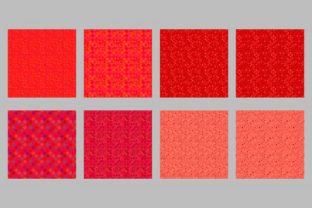
Below are eight distinct seamless red dot patterns, each with unique characteristics and potential uses:
- Classic Grid Pattern: Features evenly spaced red dots in a grid formation, providing a clean and structured look.
- Radiating Dots: Dots radiate outward from a central point, creating a sense of movement and focus.
- Randomized Dots: Offers a more organic feel with randomly placed red dots, adding a touch of unpredictability.
- Striped Dot Pattern: Combines dots with vertical or horizontal lines, creating a layered texture.
- Overlapping Dots: Dots overlap in a staggered manner, giving a three-dimensional effect.
- Minimalist Dot Pattern: Uses sparse placement of red dots for a subtle, elegant appearance.
- Geometric Dot Pattern: Incorporates geometric shapes like triangles or hexagons alongside red dots.
- Dynamic Dot Pattern: Features animated or motion-based elements, ideal for digital interfaces.
Key Characteristics of Seamless Red Dot Patterns
Regardless of the specific variation, seamless red dot patterns share several common traits:
- Repeatability: They can be tiled infinitely without distortion.
- Color Consistency: The red hue remains uniform throughout the pattern.
- Scalability: They work well at different sizes, from small icons to large backgrounds.
- Adaptability: Can be customized to suit various design styles and industries.
Where Can Seamless Red Dot Patterns Be Used?
The versatility of seamless red dot patterns makes them suitable for a wide range of applications. Here are some common use cases:
Web Design
In web design, seamless red dot patterns can serve as background textures, dividers, or accent elements. They are especially effective in UI components such as buttons, cards, and navigation bars. For example, a minimalist dot pattern could enhance the visual hierarchy of a landing page while maintaining a clean aesthetic.
Graphic Design
Graphic designers often use these patterns to create posters, infographics, and social media assets. A randomized dot pattern might add visual interest to a poster, while a geometric dot pattern could complement a tech-themed design.
Interior Design
For interior design, seamless red dot patterns can be used in wall coverings, textiles, and decorative items. A classic grid pattern could provide a timeless look in a living room or office space.
Branding
Brands looking to make a bold statement may incorporate red dot patterns into their logos or packaging. The vibrant color and repeating structure can help reinforce brand identity and memorability.
Strengths and Limitations
While seamless red dot patterns offer numerous benefits, it's important to consider their limitations. One potential drawback is that they can become visually overwhelming if not used carefully. Overuse of red dots may distract from the main content or reduce readability.
Additionally, certain patterns may not translate well to all mediums. For instance, a dynamic dot pattern designed for digital use might lose its intended effect when printed. It’s crucial to test patterns in different contexts before finalizing their use.
Practical Expectations
When working with seamless red dot patterns, it's essential to set realistic expectations. While they can enhance the visual appeal of a design, they should never overshadow the core message or functionality. Always ensure that the pattern complements rather than competes with the design elements it supports.
Evaluating Suitability for Your Project
Before selecting a seamless red dot pattern, ask yourself the following questions:
- What is the primary purpose of the design?
- Who is the target audience?
- What mood or message do I want to convey?
- Will the pattern enhance or detract from the overall design?
For example, a business card might benefit from a minimalist dot pattern to maintain professionalism, while a fashion campaign could use a dynamic dot pattern to reflect energy and creativity.
Real-World Applications
Let’s take a closer look at how seamless red dot patterns are applied in real-world scenarios:
Case Study 1: Website Background
A startup used a subtle randomized dot pattern as the background for their homepage. This helped create a visually engaging environment without overwhelming the user. The red dots added a pop of color while keeping the design clean and modern.
Case Study 2: Branding Campaign
A fitness brand incorporated a geometric dot pattern into their logo and packaging. The pattern reinforced the brand’s innovative and energetic image, helping it stand out in a competitive market.
Case Study 3: Interior Design
An interior designer used a classic grid pattern on a wall mural in a client’s living room. The pattern provided a cohesive and timeless look, enhancing the overall ambiance of the space.
Conclusion
Seamless red dot patterns are more than just decorative elements—they are powerful tools that can enhance the visual impact of a wide range of projects. From web design to branding, these patterns offer flexibility, creativity, and functionality. By understanding their characteristics, applications, and limitations, you can make informed decisions about which patterns best suit your needs.
Whether you're a designer, creator, or business owner, exploring the eight seamless red dot patterns discussed in this article can help you unlock new possibilities in your design work. Remember to always prioritize clarity, usability, and aesthetics when incorporating these patterns into your projects.